All Categories
Featured
Reliable Arborist Services for Southern California Hubs
Why Automated Irrigation Systems Improve Landscape ROI


Innovative Water Saving Strategies for 2026 Landscapes
Table of Contents
Driveways covered with products such as crushed seashells or in your area sourced gravel are much more sustainable than those topped with coal tar sealants. Coal tar sealants, or blacktop, used on roads and driveways, contaminate numerous city lakes. This shiny black covering includes polycyclic fragrant hydrocarbons (PAHs), which are hazardous to aquatic life.
Blacktop is also impermeable, avoiding water from soaking into the ground. Sustainable landscapes utilize much safer products like crushed seashells, a waste byproduct, or locally sourced gravel. Freshwater supports our environment and sustains our lives. It's vital to human survival, our livelihoods, and practically every form of financial production. Dry spell and water deficiency have become progressively common in lots of parts of the world, consisting of the western United States, which has experienced a historic megadrought for more than two years.
Deals with stormwater as a waste product that is rapidly eliminated from the website, contributing to water contamination. The majority of watering systems use municipal drinking water.
Supplements water in the landscape with on-site alternatives such as gathered rainwater, stormwater, and/or ac system condensate. Find out more about.
Precision Water System Installation Standards for 2026 Developments
As the worldwide water crisis intensifies, the demand for advanced water-saving innovation is greater than ever. In 2025, several groundbreaking water effectiveness developments are transforming how individuals, businesses, and federal governments handle this important resource. From wise watering systems to AI-powered leak detection, here are the leading 10 technologies revolutionizing water preservation this year.
These controllers use real-time weather condition information, soil wetness sensors, and AI algorithms to provide water just when and where it's neededdrastically lowering waste and enhancing crop yields. Atmospheric Water Generators (AWGs)Atmospheric Water Generators extract wetness from the air and condense it into tidy drinking water. In 2025, advancements in solar-powered and compact AWGs have actually made them more affordable and energy-efficient, using a sustainable option in deserts.
New AI-powered sensing units and machine learning algorithms now detect leakages in real-time, enabling instant intervention and minimizing long-lasting infrastructure damage. Greywater Recycling UnitsModern greywater recycling units are now smaller, smarter, and more effective. These systems deal with utilized water from showers, laundry, and sinks, making it ideal for reuse in flushing toilets and wise watering, successfully cutting family water usage by up to 40%.
The Essential Guide to Commercial Landscape Maintenance
This type of smart watering not only conserves water however also improves performance and lowers expenses. Smart Water MetersAdvanced water meters now supply real-time usage information, assisting utilities and consumers alike to recognize trends, avoid overuse, and encourage sustainable behaviors.
Bio-Inspired Water Gathering MaterialsInspired by nature, new materials imitating the structure of desert beetles and spider silk are now being utilized to collect water from fog and dew. These passive systems are perfect for remote or low-humidity areas, providing a scalable water-saving innovation. ConclusionThe developments in 2025 mark a turning point in how we approach water preservation.
As these water effectiveness innovations continue to evolve, they offer genuine hope for dealing with water scarcityone drop at a time.
Top Water Conservation Strategies for Drought-Resistant Environments
Water plays a crucial role in all landscapes. This water overflows into a series of highway ditches or drain inlets, which lead to regional streams, rivers, and, ultimately, the Gulf of Mexico.
According to the Mississippi Department of Environmental Quality (MDEQ), nonpoint source pollution (contamination that comes from numerous different nonspecific sources, such as neighborhoods or communities) is the leading cause of water pollution in Mississippi, as well as in the country. There are a number of methods you can do in your landscape to enhance or keep the water quality of your home.
This type of smart irrigation not just saves water however also improves productivity and decreases costs. Smart Water MetersAdvanced water meters now offer real-time intake data, assisting utilities and customers alike to recognize trends, avoid overuse, and encourage sustainable behaviors.
Specialized Tree Care for Hospital Campuses
Bio-Inspired Water Harvesting MaterialsInspired by nature, brand-new products simulating the structure of desert beetles and spider silk are now being utilized to collect water from fog and dew. These passive systems are perfect for remote or low-humidity locations, providing a scalable water-saving technology. ConclusionThe innovations in 2025 mark a turning point in how we approach water preservation.
As these water performance innovations continue to evolve, they provide genuine expect taking on water scarcityone drop at a time.
Water plays an essential function in all landscapes. This water overflows into a series of road ditches or drain inlets, which lead to regional streams, rivers, and, ultimately, the Gulf of Mexico.

In fact, according to the Mississippi Department of Environmental Quality (MDEQ), nonpoint source contamination (pollution that comes from numerous different nonspecific sources, such as neighborhoods or areas) is the leading reason for water contamination in Mississippi, as well as in the country. There are several methods you can do in your landscape to improve or maintain the water quality of your residential or commercial property.

Latest Posts

Reliable Arborist Services for Southern California Hubs
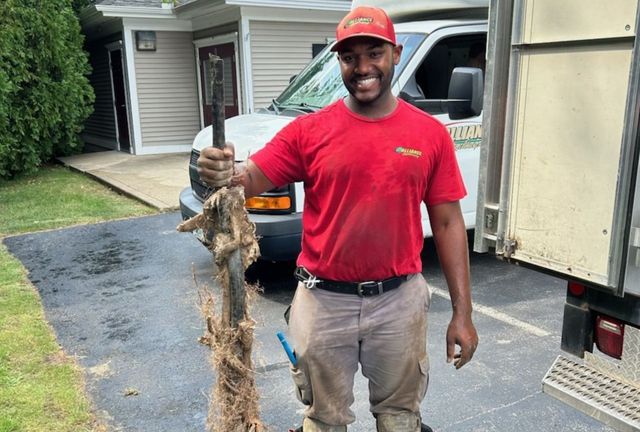
Water Technology for Landscapes
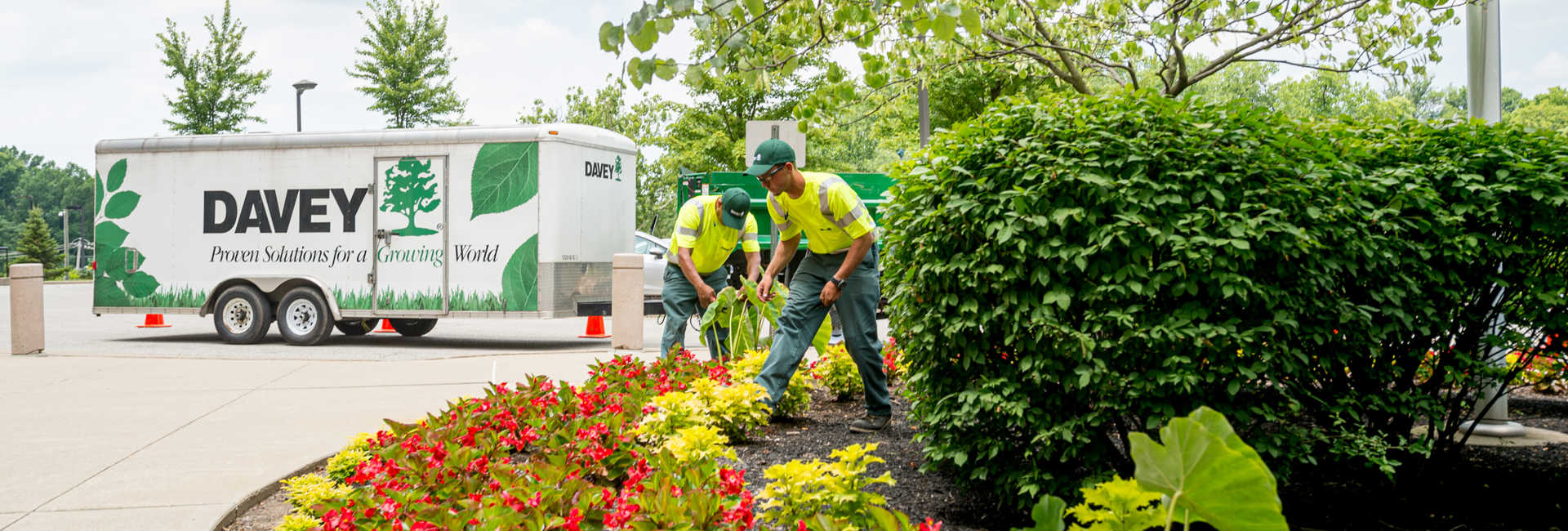
Why Automated Irrigation Systems Improve Landscape ROI