All Categories
Featured
Table of Contents
Modern Water Management in 2026
Water management in 2026 requires a shift in how commercial property managers view their outdoor assets. In the local area, the cost of municipal water has reached a point where even a minor leak can result in thousands of dollars in waste monthly. Beyond the direct cost of the water itself, the collateral damage to foundations, asphalt, and tree health can be far more expensive. Modern leak detection is no longer about finding wet spots on the grass after the damage is done. Instead, it involves a proactive approach that combines soil moisture sensors, ultrasonic flow meters, and regular physical inspections.
Commercial sites in the region often deal with complex irrigation layouts that span several acres. These systems are prone to various failures, from cracked PVC joints to clogged valves. In 2026, the standard for property resilience includes early detection systems that alert managers the moment a flow imbalance occurs. When a pipe breaks under a parking lot, the water can wash away the subgrade material, leading to sinkholes or costly pavement failures. Identifying these issues early prevents these high-cost structural repairs.
The Intersection of Canopy Management and Irrigation
Tree health and irrigation are inextricably linked, especially in high-density urban environments. Trees provide shade that reduces soil evaporation, helping to keep ground temperatures lower during the heat of summer. However, the root systems of mature trees are often the culprits behind irrigation failures. Roots naturally seek out moisture and can exert enough pressure to crush or penetrate irrigation lines. This creates a cycle of waste where a tree is overwatered because of a broken pipe, leading to root rot or unstable growth.
In 2026, canopy management has become a primary tool for property resilience. By maintaining a healthy tree canopy, property managers can reduce the overall water demand of the site. At the same time, specialized Irrigation Repair must monitor how root systems interact with underground infrastructure. Operational budgets for large-scale properties often account for Pacific Green Landscape Maintenance Services as a way to mitigate long-term liability and ensure that large specimens do not compromise the integrity of the watering system.
Advanced Leak Detection Technologies
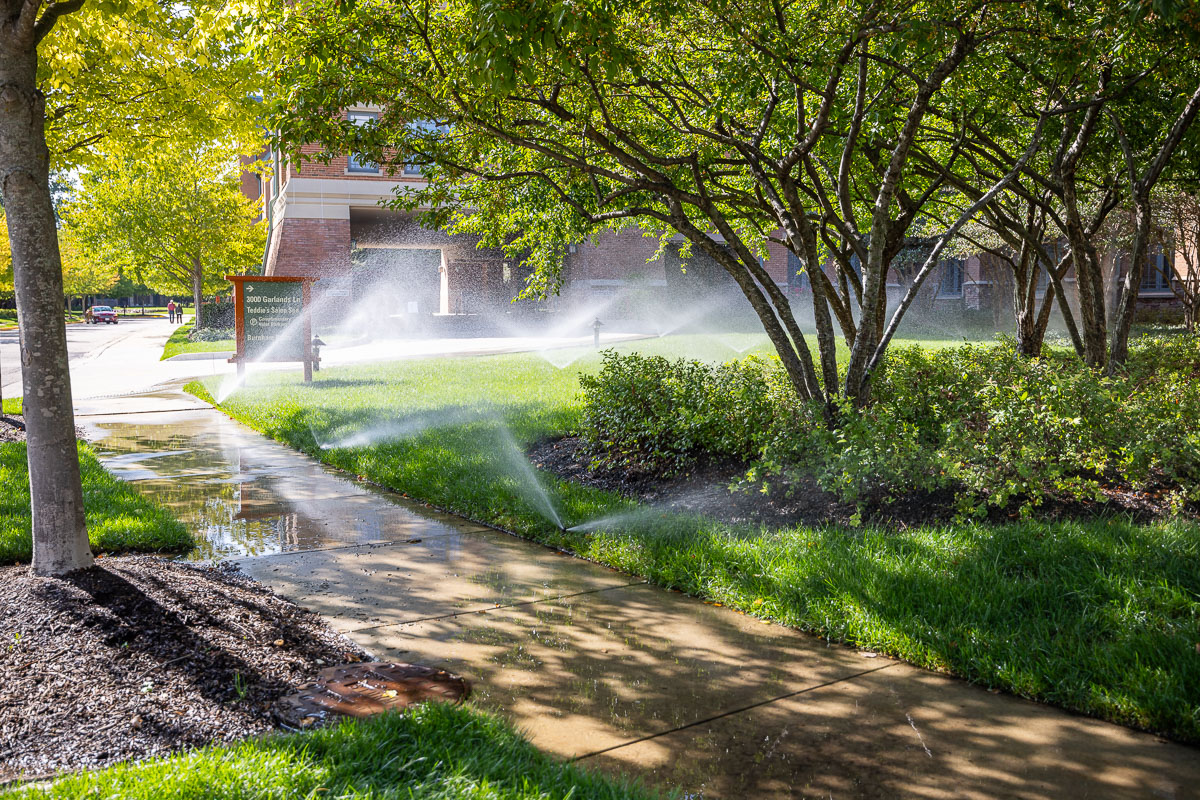
The technology used for finding hidden water loss has improved significantly by 2026. Acoustic listening devices can now pinpoint the exact location of a leak under several feet of concrete or soil, reducing the need for destructive trenching. Thermal imaging is also used to detect cold spots where water is pooling beneath the surface. For commercial properties in the surrounding market, these tools are essential for maintaining large green belts without wasting resources.
Smart controllers are the first line of defense. These devices use local weather data and flow sensors to adjust watering schedules in real time. If a flow sensor detects that water is moving through the pipes when all valves should be closed, it can automatically shut down the main supply and send an alert. This level of automation is a standard expectation for any managed property in 2026, particularly in drought-prone areas where water waste carries heavy fines from local utilities.
Preventing Structural and Foundation Damage
One of the most overlooked risks of irrigation leaks is the impact on building foundations. Constant moisture near a structure can cause soil expansion or contraction, leading to cracks in walls and slabs. In the local market, many commercial buildings sit on expansive clay soils that react poorly to inconsistent moisture levels. A silent leak from an irrigation line near a building perimeter can cause thousands of dollars in foundation settling over just a few months.
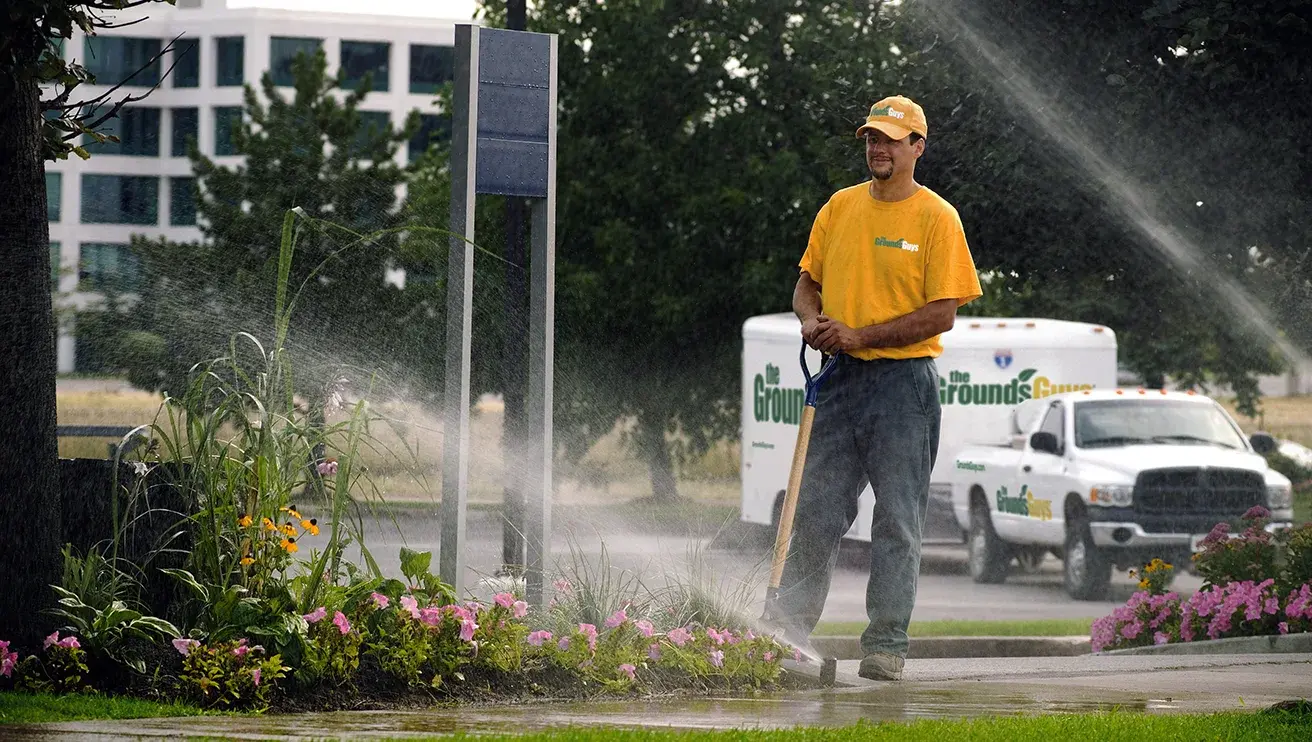
Proactive maintenance through Pacific Green Landscape Maintenance Irrigation Mainline Repair helps facilities avoid the catastrophic soil washouts seen during heavy rain years or from persistent underground leaks. Proper drainage is just as important as the irrigation itself. If a leak occurs in a spot where water cannot drain away from the building, the hydrostatic pressure can even cause moisture to seep through basement walls or lower-level floors.
Regulatory Compliance and Water Efficiency
By 2026, many municipalities in the western United States have implemented strict water budgets for commercial entities. These budgets are often calculated based on the total irrigated area and the types of plants on site. Exceeding these budgets can lead to tiered pricing that doubles or triples the cost of water. Leak detection is the most effective way to stay within these regulatory limits.
Managers frequently look for Pacific Green Landscape Maintenance for Office Parks to ensure their irrigation systems comply with 2026 water usage caps. These professionals can conduct water audits that identify inefficient spray patterns, broken heads, and hidden leaks. Often, the savings from fixing a single leak can pay for the entire audit and repair within a few billing cycles. Furthermore, many local water districts offer rebates for properties that install smart meters and high-efficiency nozzles, making the transition to better technology more affordable.
The Role of Regular Site Inspections
Even with the best technology, physical inspections remain a part of a successful strategy. Sensors can fail or become miscalibrated, and some small leaks might not trigger a flow alert. Professional groundskeepers should look for telltale signs of trouble, such as unusually lush patches of grass, moss growth in dry areas, or low pressure at the sprinkler heads. In 2026, these manual checks are often documented in property management software, creating a history of system health that can be used for long-term planning.
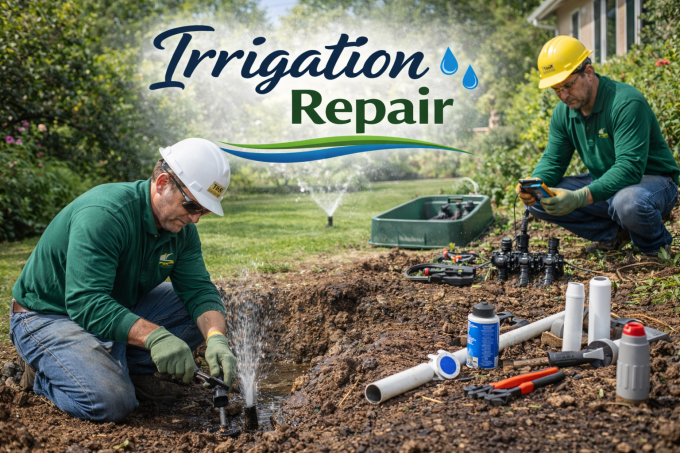
During these inspections, the health of the trees is also evaluated. A tree that suddenly shows signs of stress may be receiving too much water from a nearby broken line, or it may be blocking a line with its roots. Balancing the needs of the Irrigation Repair with the limitations of the irrigation system is a continuous process. By addressing these issues before they become emergencies, property owners preserve the value of their land and avoid the high costs associated with neglected infrastructure.
Long-Term Property Resilience
Resilience in a commercial context means the ability to withstand environmental stress while keeping costs predictable. In 2026, water is a volatile expense. A property that is well-managed and free of leaks is more attractive to tenants and more valuable to investors. It shows a level of stewardship and attention to detail that extends to the building's interior and overall safety.
The focus on leak detection and canopy management reflects a broader trend toward sustainability that is driven by both economics and regulation. As 2026 continues to bring weather extremes, the properties that survive and thrive will be those that have invested in protecting their ground. Avoiding high-cost property damage is not just about luck. It is about implementing the right sensors, hiring the right experts, and maintaining a vigilant eye on the invisible infrastructure that keeps the site alive.

Latest Posts
How Irrigation Repair Identify Cost-Saving Opportunities
Why Height Clearance Is Critical for Emergency Tree Response